

Empowering Community Voices: The Role of the Belonging Barometer
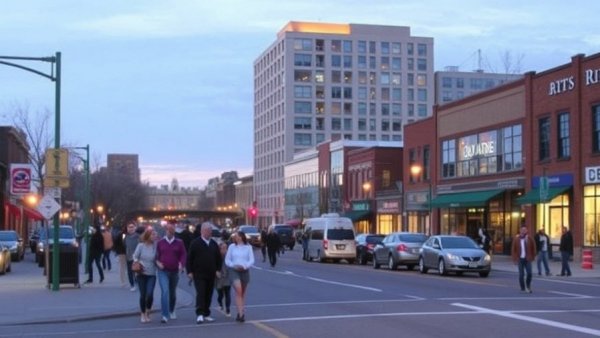
In recent years, the Wenatchee Downtown Association has undertaken a profound journey towards enhancing community engagement by employing the Belonging Barometer. This innovative tool helped identify who feels included in the urban fabric and who truly has a say in shaping the downtown district. Rosa Pulido, Executive Director of the Wenatchee Downtown Association, highlighted the importance of understanding the perspective of the community, especially as she stepped into her new role. Understanding citizenship in urban spaces is fundamental for any thriving democracy. The Belonging Barometer, initially introduced through Washington Main Street with selected organizations, offered crucial insights into how demographics perceive ownership of downtown. This initiative allowed Pulido to explore perceptions surrounding volunteerism and community involvement, reflecting a growing recognition of diverse contributions.
A Community Divided: Exploring Diverse Experiences
The census revealed that Wenatchee's population is largely Hispanic/Latino and white, emphasizing the necessity for inclusive decision-making. "We wanted to understand our demographic reach," Pulido emphasized, noting that comprehension of community dynamics was key to successful programming and outreach. By addressing demographic disparities and integrating varied voices, the Downtown Association could craft a more holistic vision for future developments.
Lessons Learned: Effective Communication and Outreach
One revealing insight from the survey was that many residents lacked awareness of the Wenatchee Downtown Association's efforts. Despite visible changes downtown, people were often unaware that the organization and its volunteers were behind these enhancements. This knowledge gap necessitated a shift in communication strategy, prompting the Association to better highlight volunteer contributions and foster a sense of community victory.
Transforming Perceptions: Accessibility and Inclusivity
Moreover, the Barometer unearthed practical challenges relating to participation costs in downtown activities. Residents consistently expressed the notion that downtown was an expensive space to engage with. In response, the organization resolved to emphasize free and low-cost activities available to the community, fostering a sense of belonging that transcends financial barriers. Actions such as promoting public spaces, neighborhood gatherings, and local artistic displays are pivotal to this broader outreach goal.
Creating Inviting Spaces: Reimagining Physical Areas
Physical transformations in downtown’s layout were equally prioritized. Underutilized plazas were revamped, introducing larger seating areas and aesthetic enhancements, such as flowers and greenery, to lure more foot traffic. “There’s a lot more people just hanging out downtown,” Pulido remarked, reflecting the positive shifts resulting from these adaptations. By creating inviting environments, the Downtown Association successfully made the downtown area a hub of social interaction.
Conclusion: A Continual Learning Process
The Wenatchee Downtown Association’s use of the Belonging Barometer illustrates how tools can facilitate deeper understanding and involvement. The journey is ongoing; the insights derived from the survey continue to influence accessibility audits and shape strategies for inclusivity. Pulido's reflections underscore the importance of ensuring every voice can be heard and represented.
For attorneys who navigate the complexities of civil rights and community engagement, the work being done in Wenatchee can provide valuable insights. Understanding how to foster belonging and facilitate inclusivity at the community level can enhance the impact of advocacy and legal efforts. Are you ready to take thoughtful action to ensure all voices in your community are recognized and valued? Start by exploring tools and initiatives that promote inclusion coupled with community support.




Write A Comment