

Understanding State Responses to Immigration After Midterms
In the wake of recent midterm elections, states across the U.S. are stepping into the spotlight to address immigration policy, particularly focusing on the well-being of immigrants. With Congress struggling to create cohesive immigration reform, many state leaders recognize that taking action within their jurisdictions is essential.
Insights from the States Index
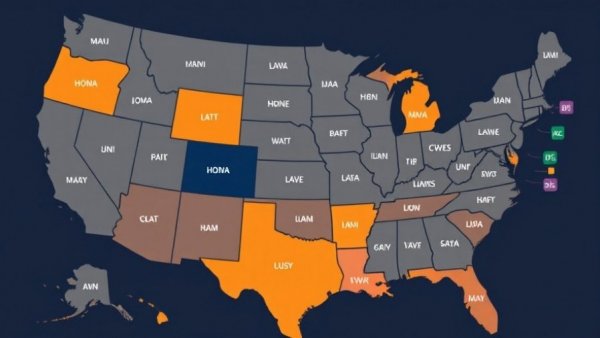
A new analytical tool by the American Immigration Council, the States Index, provides a comprehensive assessment of state policies impacting immigrant communities. This analysis breaks down state actions across four key areas: workforce education and occupational licensure; access to services; government infrastructure; and immigration enforcement. Ideally, these criteria reflect the extent to which state policies facilitate an environment where immigrants can thrive.
The Index highlights how states, regardless of their political alignment, can embrace immigrant integration as a pragmatic approach to economic challenges and societal needs. As noted by Jeremy Robbins, executive director of the American Immigration Council, “Policymakers in state houses around the country are recognizing that the economy continues to be the primary concern for most Americans.” States that effectively support immigrant communities stand to not only enhance their economic prosperity but also foster cohesive communities.
The Role of States in Economic Integration
North Dakota serves as an illustrative case, directing its Global Talent Office to develop initiatives aimed at integrating immigrant workers into the economy. This reflects a growing recognition, especially in states that have not historically been immigrant hubs, of how vital immigration is to addressing workforce shortages and stimulating local economies.
However, the analysis draws attention to a significant gap in states with the fastest-growing immigrant populations. Surprisingly, these states often lack supportive policies, reflecting an average score of just 1.05 out of 5 on the States Index. This discrepancy signifies that merely welcoming immigrants is insufficient without corresponding support measures to utilize their potential effectively.
Examples of Effective Policies
In Oregon, the creation of a statewide right-to-counsel program is a noteworthy example of how states can link immigrants with essential legal services. This initiative reflects a commitment to ensuring immigrant rights and well-being, pivotal for their successful integration. Meanwhile, New Jersey's efforts to enhance language access in government services underscore how states can proactively reduce barriers to engagement for immigrant communities.
Future Opportunity Trends for States
As more states begin to adopt immigrant-friendly policies, there is an emerging trend that emphasizes the economic contributions immigrants can make to their communities. Businesses value the skills, education, and experiences brought by immigrants, and facilitating their integration can lead to mutual benefits—empowering both local economies and immigrant populations.
Civil Rights Considerations
For civil rights and immigration attorneys, understanding these state policies provides a foundational perspective to advocate for immigrant rights effectively. By leveraging tools like the States Index, legal experts can help clients navigate complex legal environments and promote policies that support equity and justice for all community members.
As state leaders continue to evaluate their immigration policies, it becomes increasingly vital for professionals in the civil rights and legal fields to engage with these developments. Understanding how immigrants contribute to local economies and society strengthens advocacy efforts and supports the call for inclusive practices in every state. Whether through direct advocacy or legal support, each action contributes to a larger movement towards comprehensive immigration reform that respects and uplifts immigrants in the United States.
Take Action for a More Inclusive Future
As immigration policies evolve, civil rights and immigration attorneys can play a crucial role in shaping these discussions. By utilizing tools like the States Index, professionals can better advocate for immigrant populations and policies that prioritize their well-being. It's an opportunity not only to protect rights but also to enhance economic potential across communities. Engage in these essential dialogues to promote a future where everyone can thrive, regardless of their immigration status.






Write A Comment